
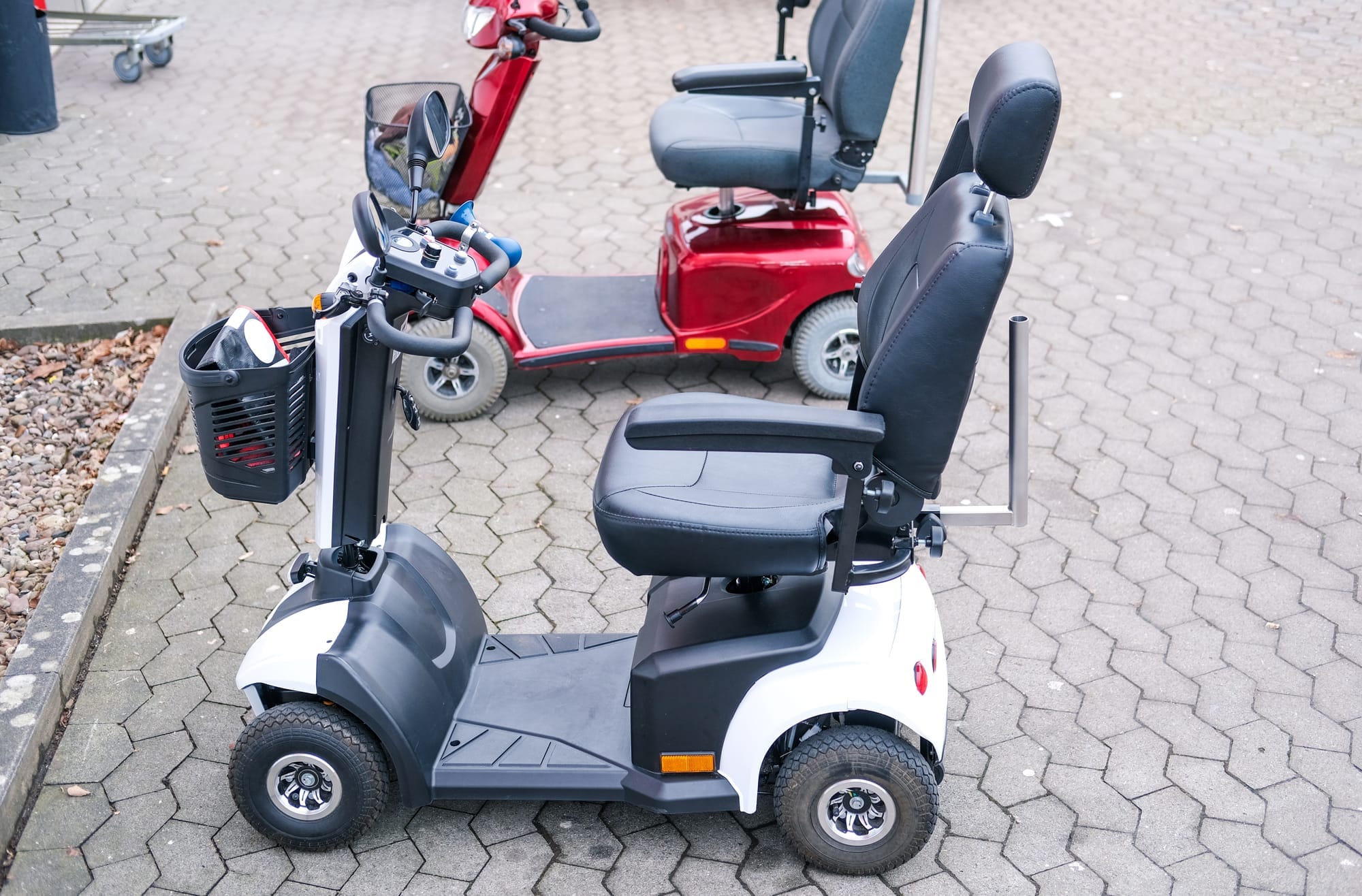
How to Choose the Right Mobility Scooter for Everyday Travel
Everyday travel has a pattern—home to the corner shop, bus stop to clinic, a loop through the park—and the right scooter should fit that pattern without fuss. Begin by mapping your routes and storage limits: hallway and elevator widths, curb cuts and ramp angles, trunk opening height, and where the charger will live at night. With those facts in hand, shortlist from our mobility scooters for sale by focusing on three traits that drive real convenience: true carry weight for lifting, folded size for stowing, and wheelbase stability for calm steering at walking speed.
Battery planning turns intentions into trips. Rather than chasing maximum-range claims, match watt-hours to a typical day—morning appointment, groceries, afternoon visit. Smooth surfaces use less energy than hills or rough paths, and steady throttle mapping avoids waste. If you are evaluating medical scooters for sale or disabled mobility scooters, look for clear battery labels and tool-free removal so you can charge in a hallway or beside a desk.
What Is the Most Common Problem with Mobility Scooters?, What Type of Batteries Are in Mobility Scooters?, and Electric Wheelchairs vs Mobility Scooters.
Frame style should follow your routine. If you live in an apartment or rely on rideshare, lightweight collapsible mobility scooters keep transfers short: fold, lock, roll like luggage, and lift with a neutral back. A strong everyday option is the Traveller Foldable Mobility Scooter—balanced to carry, quick to fold, and tuned for precise low-speed control in shops and station platforms. If your routes include ramps, curb cuts, and textured pavements, a planted 4-wheel geometry adds confidence; the GlideGo 4 Wheel Mobility Scooter for Adults Seniors pairs compact storage with stable handling for daily errands.
Capacity and terrain matter when loads or hills are part of life. For larger riders, weekly markets, or neighborhood slopes, reinforced frames and higher-duty motors prevent hesitation on starts and keep braking predictable on descents. The Heavy Duty Mobility Scooter for Adults is built for exactly this use—extra headroom in torque and payload without giving up foldability. If you’re comparing mobility carts for sale with personal scooters, remember that your own scooter is usually narrower and more efficient than store carts, which translates to fewer bumps and steadier lines through crowds.
Comfort is what makes short trips feel easy and long ones possible. A supportive seat base, breathable upholstery, and armrests at a natural height reduce shoulder and back fatigue. When choosing a scooter for elderly or reviewing scooters for seniors with similar batteries, use fit to break the tie: knee clearance for tight turns, tiller reach without leaning forward, and a turning radius that clears home corridors and café aisles. Pair those basics with tires that grip on wet ramps and painted lines so rainy-day errands stay predictable.
Controls and braking convert specifications into confidence. Look for a controller that starts and stops smoothly at walking speed; it should thread through crowds without lurching. Progressive braking shortens stopping distance without abrupt lockups. If lifting is frequent, a lightweight mobility scooter will get used more often simply because it’s easier to take—ownership frequency is the secret ingredient in everyday independence.
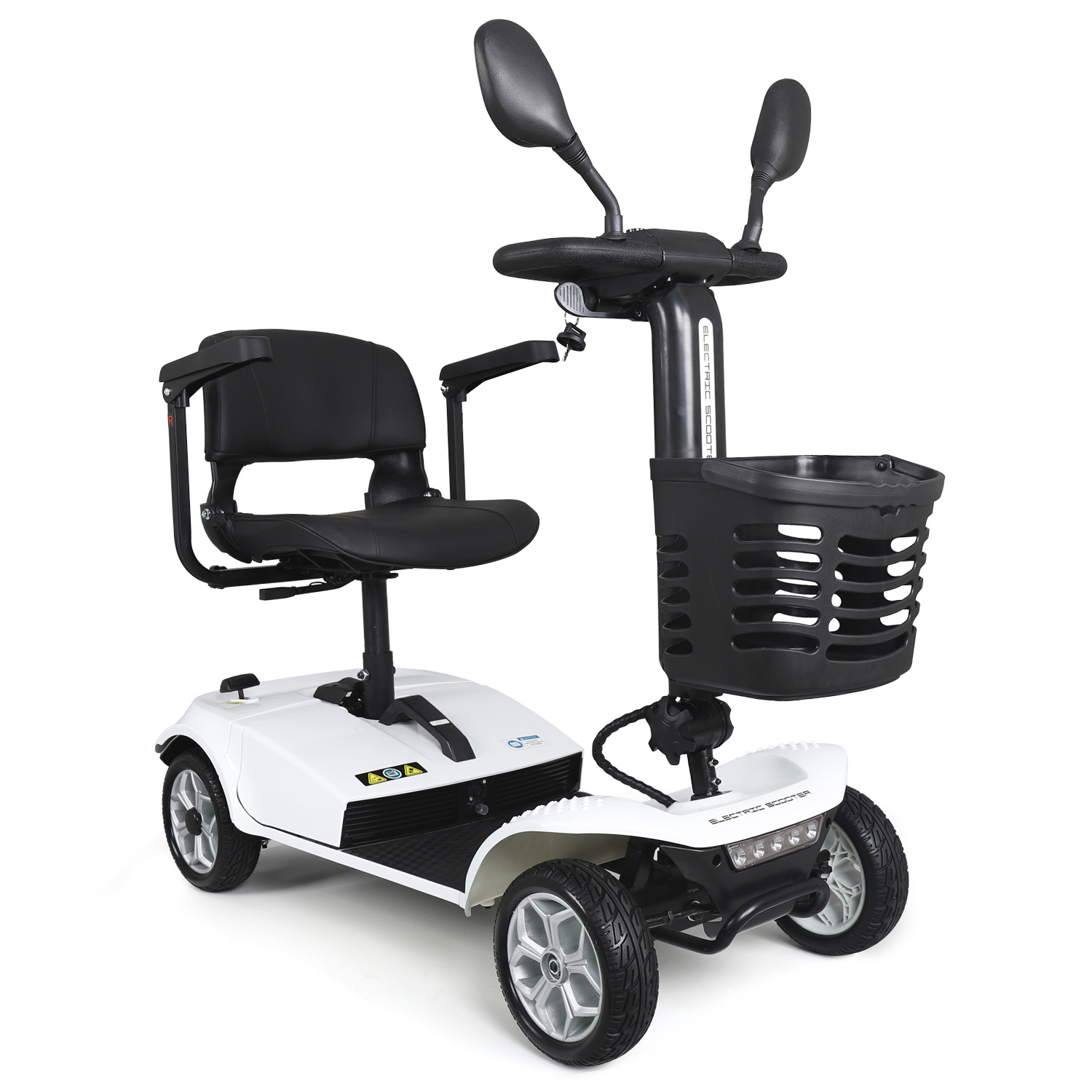
Buying with a plan protects your budget. Begin in the central hub for mobility scooters for sale, then check each shortlist model against your actual life: folded height vs trunk opening, turning radius vs hallway width, and battery size vs a real day’s route with a 20–30% buffer. If you occasionally borrow community units, familiarity with shopmobility-style controls makes switching between hired scooters and your own much smoother.