
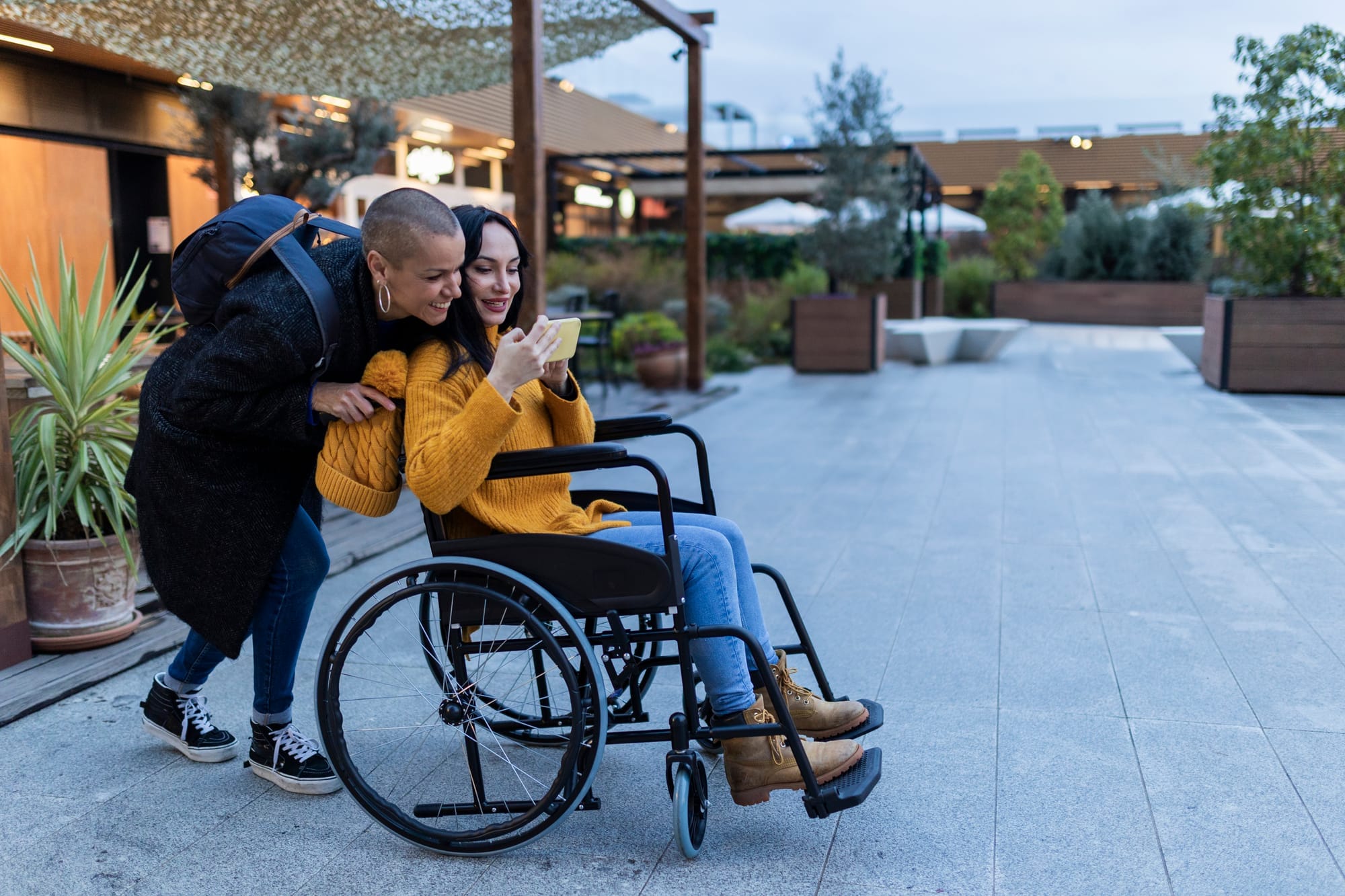
Power Wheelchair vs Mobility Scooter Which Is Better
Choosing between a power wheelchair and a mobility scooter comes down to where you ride, how you transfer, and how often you need to lift or fold the device. The simplest path is to map your day—home corridors, elevator widths, curb-cut slopes, car trunk height, and typical distance—then match features that reduce effort at every handoff. Brand support matters too; UltimatePointCare backs products with clear specs and dependable service (see the about us page), which makes ownership predictable over time.
Shop All Mobility Scooters for simple outdoor errands
Scooters excel on continuous pavements, promenades, and shopping centers where long straight routes outnumber tight indoor turns. If your plan is groceries, market, clinic, and a park loop, start in Shop All Mobility Scooters and filter by turning radius, battery range, and tire grip for wet surfaces.
Folding Scooters for fast car loading and transit
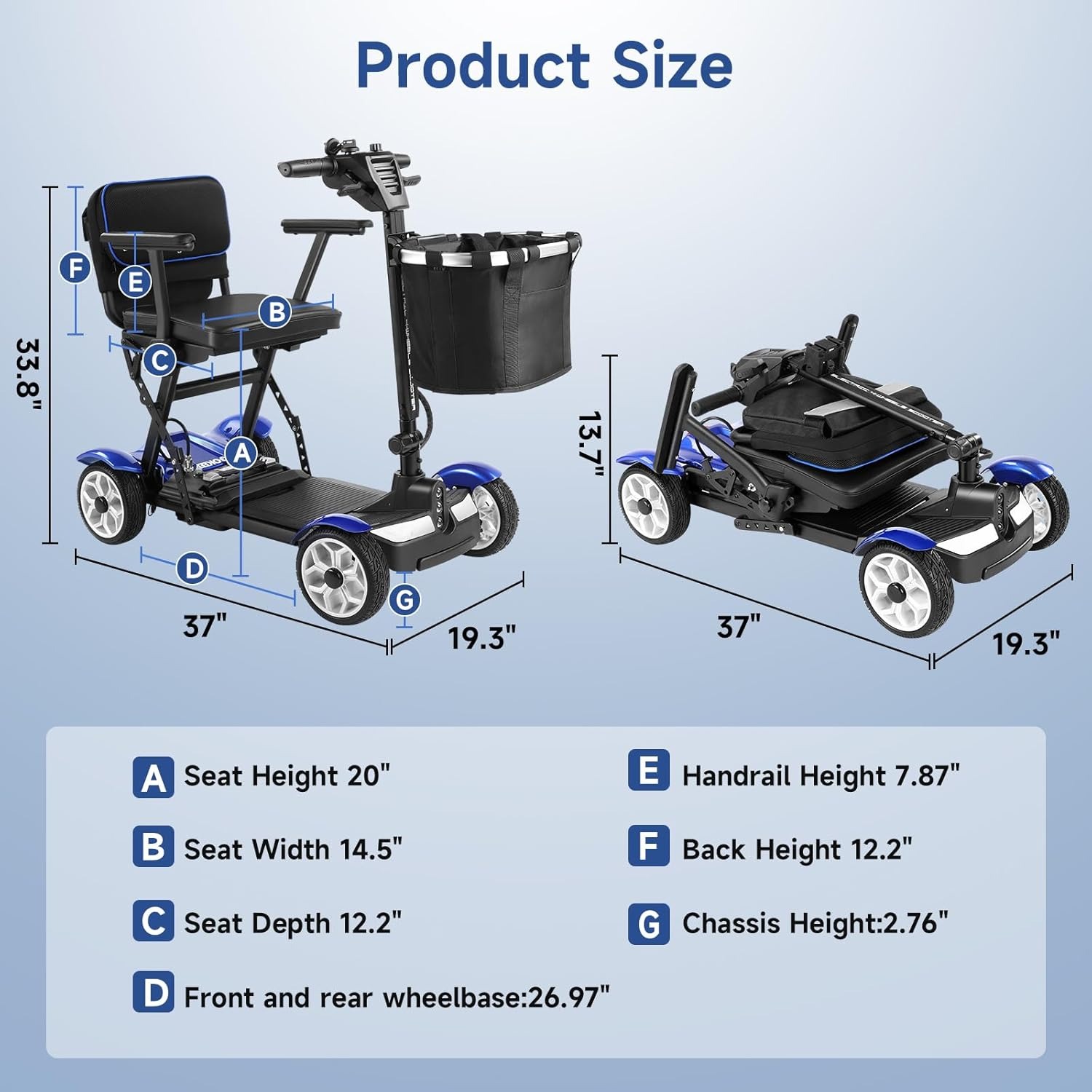
If you rideshare or use small cars, suitcase-style Folding Scooters keep transfers short—fold, lock, roll like luggage. Check folded height against your trunk opening and confirm the latch is easy to find by touch.
Heavy Duty Scooters for hills and heavier loads
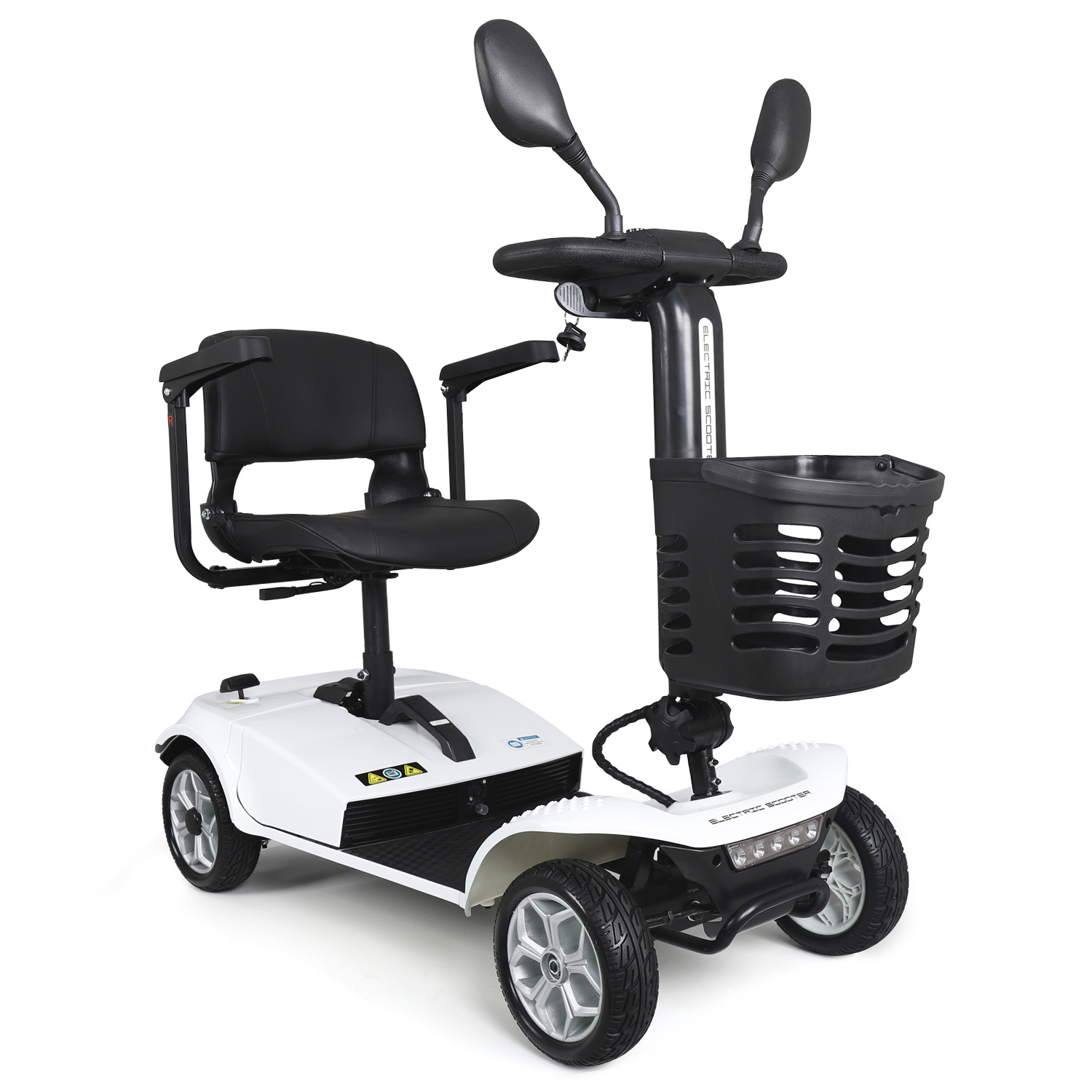
For weekly markets, mild hills, or heavier payloads, Heavy Duty Scooters offer planted wheelbases and stronger motors. Choose progressive braking for controlled descents and tires that grip paint and metal grates in the rain.
Portable Travel Scooters for light city loops
When you need nimble range with the smallest storage footprint, Portable Travel Scooters prioritize light lifts and quick folds. Plan routes around natural charging breaks—coffee stops and lunch—rather than chasing maximum range claims.
Shop All Power Wheelchairs for precise indoor control
Power wheelchairs shine in tight spaces—narrow kitchens, elevators, crowded clinics—thanks to joystick precision at walking speed and compact turning. Begin with Shop All Power Wheelchairs if your day includes frequent indoor tasks or mixed indoor–outdoor routes.
Folding Power Wheelchairs when every transfer counts
Frequent flyers and rideshare users benefit from a fast-fold chair that still tracks straight at low speed. The suitcase-style SwiftFold is a strong example: Folding Power Wheelchairs close in seconds, roll like luggage, and use airline-friendly battery labeling for smoother check-ins.
Lightweight Power Wheelchairs for easy lifting
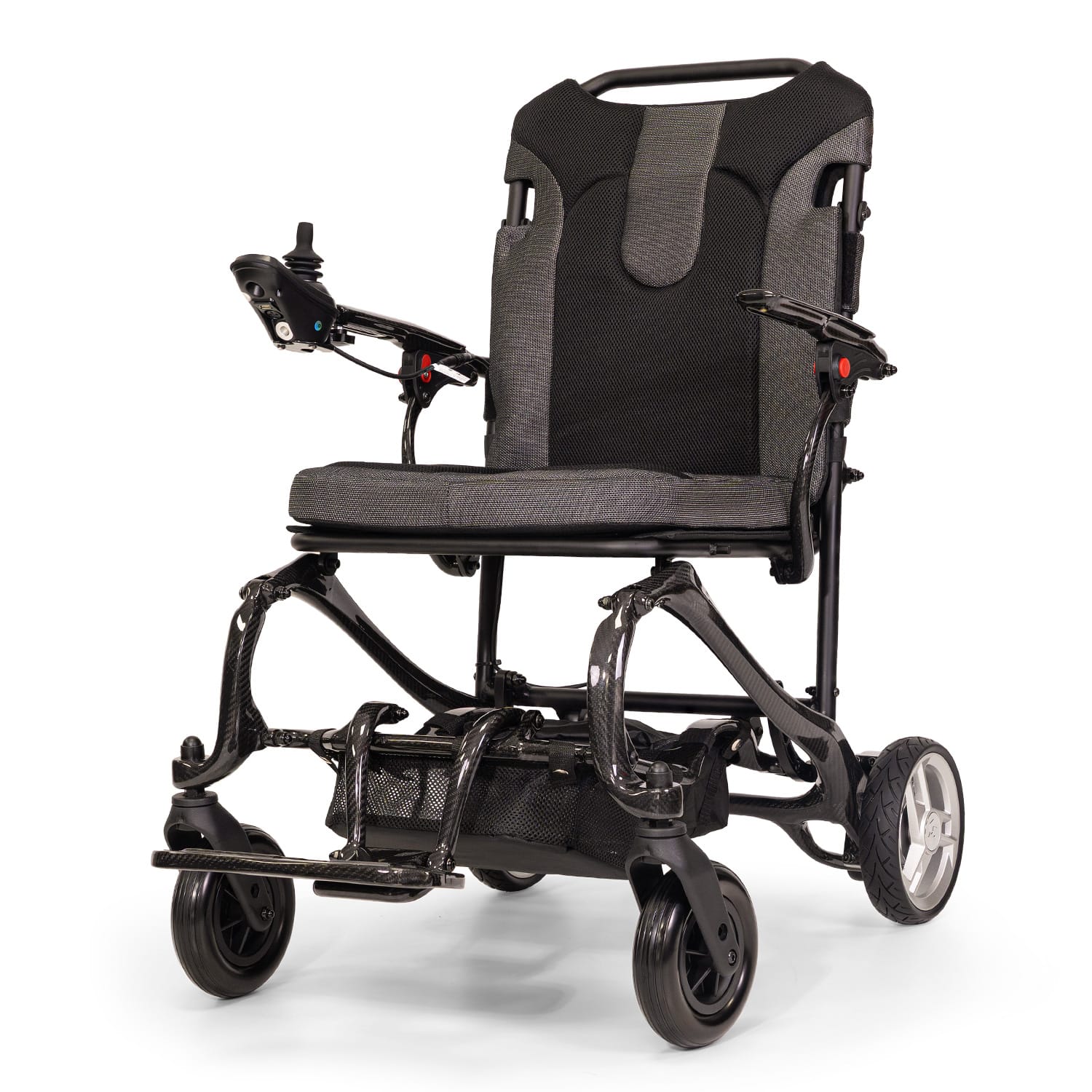
If stairs, walk-ups, or compact cars are part of life, a high stiffness-to-weight frame reduces strain and keeps steering precise. A carbon option like Lightweight Power Wheelchairs helps one person lift safely while maintaining calm joystick control indoors.
Reclining Power Wheelchairs for long days out
When back relief or pressure redistribution matters, choose smooth, stable recline rather than juggling separate seating. Reclining Power Wheelchairs let you change posture at cafés, clinics, and parks without sacrificing foldability or control.
Pediatric Power Wheelchairs for school and family travel
Kids need growth-friendly seating, calm low-speed handling, and compact footprints for classrooms, museum aisles, and minivans. Pediatric Power Wheelchairs keep school days predictable with supportive cushions and flip-up armrests for easier transfers.
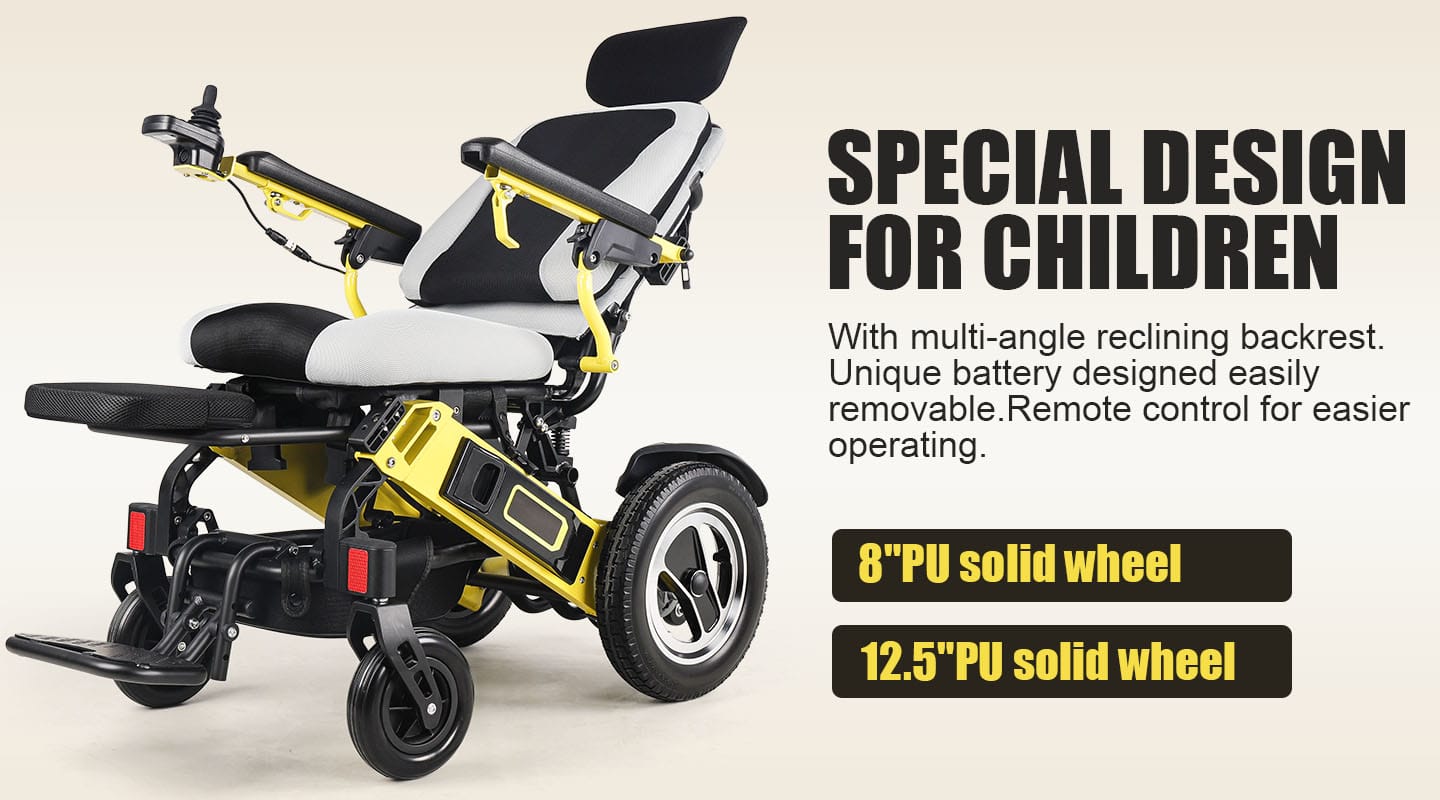
Carbon Fiber Power Wheelchairs for the lightest carry
If one-hand lifts and tiny storage spaces are non-negotiable, Carbon Fiber Power Wheelchairs deliver ultralight carry with a rigid chassis that tracks straight, reducing energy-wasting micro-corrections and extending practical range.
Which is better for you
Choose a mobility scooter if your routes are mostly outdoors on smooth paths and you value the simplest controls with maximum deck space. Choose a power wheelchair if you need precise indoor maneuvering, predictable curb-cut behavior, and the option to fold quickly for cars or flights. Many households use both: a scooter for boardwalks and flat city loops, plus a folding or lightweight power chair for airports, crowded venues, and tight indoor spaces. Match the device to your narrowest hallway, trunk opening, and real daily distance with a 20–30% buffer, and you’ll feel the difference immediately in reduced effort and calmer outings.