
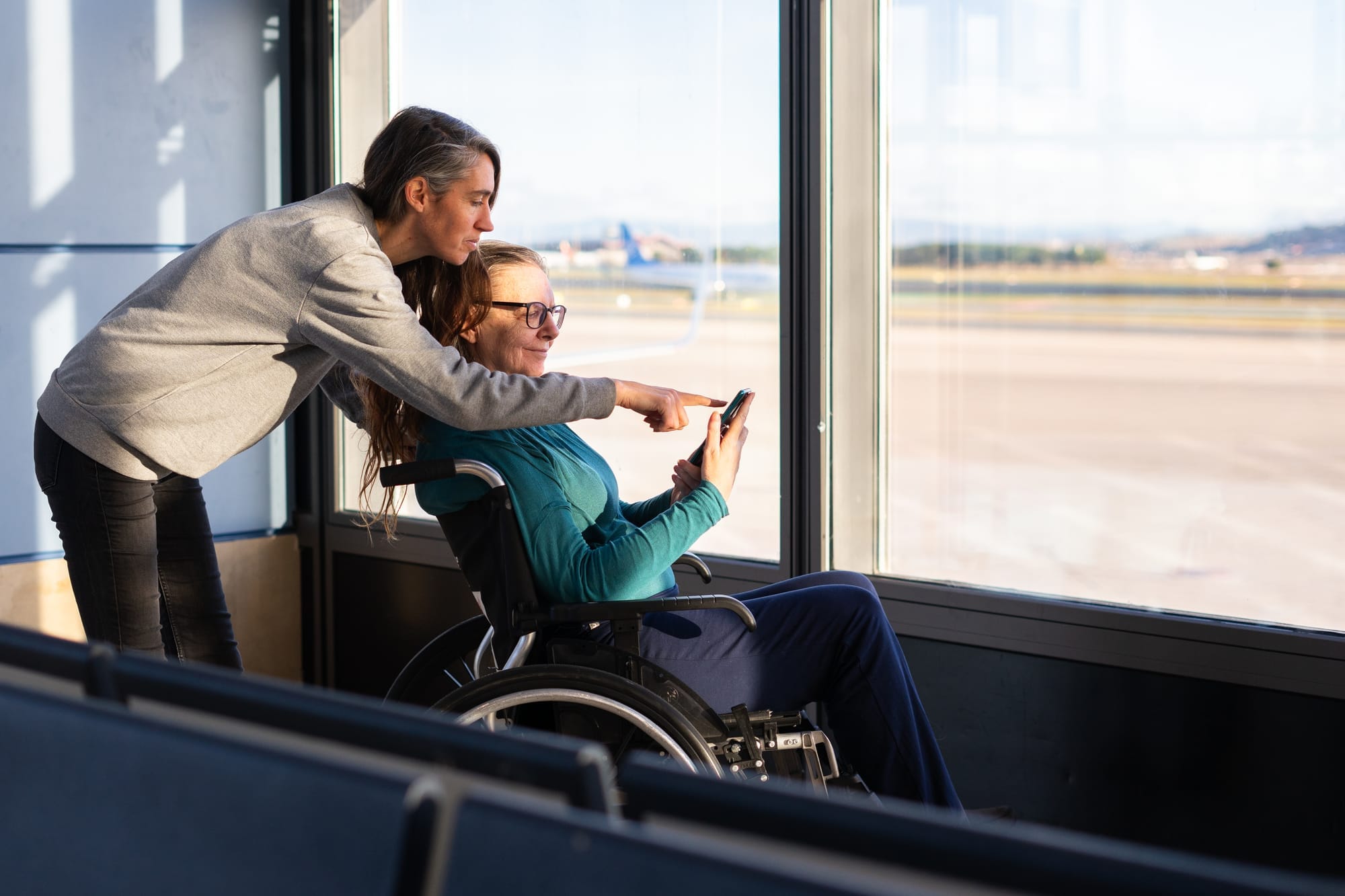
Can You Take a Battery-Powered Wheelchair on a Plane?
If you rely on a battery-powered wheelchair for mobility, you may be wondering: can you take a wheelchair on a plane? The good news is that most airlines allow electric wheelchairs to be transported as part of your travel. However, there are certain guidelines and regulations you should be aware of before booking your flight to ensure a smooth experience.
Are Wheelchairs Allowed on Airplanes?
Yes, wheelchairs are allowed on airplanes. Airlines are required by law to accommodate passengers with disabilities, which includes providing assistance with boarding and storing mobility aids like electric wheelchairs. However, there are specific rules when it comes to battery-powered wheelchairs, especially regarding the type of battery used and how it’s transported.
Best Electric Wheelchair Airline Approved
If you’re searching for the best electric wheelchair airline approved, it’s essential to select a model that complies with airline regulations and offers portability. The UltimatePoint Carbon Fiber Folding Power Wheelchair is a great example of a lightweight, foldable, and airline-approved wheelchair. It’s specifically designed for easy storage in the cargo hold of planes and meets the requirements for battery-powered travel.
For more information, check out the UltimatePoint Carbon Fiber Folding Power Wheelchair
Airline Policies for Traveling with a Battery-Powered Wheelchair
When it comes to flying with a battery-powered wheelchair, different regions and airlines have specific rules. Let’s explore the US, UK, and Europe:
United States Airlines
In the United States, the Americans with Disabilities Act (ADA) mandates that airlines accommodate passengers with disabilities, which includes allowing mobility devices like electric wheelchairs onboard. Here’s how it works with major airlines:
- American Airlines: They allow airline-approved electric wheelchairs with lithium-ion batteries up to 300 watt-hours. Lithium-ion batteries between 100 and 300 watt-hours can be transported as checked baggage, while batteries under 100 watt-hours may be carried in the cabin.
- Delta Airlines: Delta allows electric wheelchairs with a maximum of 300 watt-hours. Passengers must notify the airline 48 hours before the flight, and the wheelchair must be folded to fit in the cargo hold. The battery terminals must be disconnected, and the battery must be secured to prevent short-circuiting.
- United Airlines: Similar to other US airlines, United allows lithium-ion battery-powered wheelchairs in checked baggage, with a restriction of up to 300 watt-hours for larger batteries. Passenger notification is required 48 hours before flying, and the battery must be installed securely.
- Southwest Airlines: Southwest is known for its accessible policies. They allow foldable electric wheelchairs and offer a complimentary wheelchair service for passengers. They also provide assistance with stowing your wheelchair in the cargo hold and will make arrangements for you to board earlier if necessary.
Key point: Notify the airline 48 hours before your flight and check if the battery meets the watt-hour limit for airlines in the US.
UK Airlines
UK-based airlines are also very accommodating to passengers with mobility aids, including electric wheelchairs. Here’s an overview of some popular airlines:
- British Airways: British Airways allows electric wheelchairs with lithium-ion batteries of up to 300 watt-hours. Passengers must notify British Airways at least 48 hours in advance for wheelchair transport. Battery terminals need to be protected, and the wheelchair should be folded where possible.
- easyJet: As part of their accessibility policies, easyJet allows passengers to bring foldable electric wheelchairs that meet the watt-hour limit. They recommend contacting easyJet 48 hours before the flight and advising them of the wheelchair type and battery capacity.
- Ryanair: Similar to easyJet, Ryanair offers wheelchair assistance, including allowing electric wheelchairs onboard. Passengers are required to notify 48 hours in advance and securely disconnect the battery. Some electric wheelchairs may need to be folded or disassembled for transport.
- Flybe: Flybe also accommodates electric wheelchairs but requests that you call ahead at least 48 hours to ensure proper arrangements are made.
European Airlines
Airlines within the EU follow similar guidelines to UK and US airlines when it comes to traveling with electric wheelchairs:
- Lufthansa: Lufthansa allows electric wheelchairs with lithium-ion batteries up to 300 watt-hours. Passengers must notify the airline 48 hours before the flight, and the wheelchair will be transported in the cargo hold unless it meets the size and weight restrictions for cabin transport.
- Air France: Air France also allows electric wheelchairs onboard with lithium-ion batteries. Their guidelines are similar to other major airlines, with a battery limit of 300 watt-hours for checked baggage. They recommend notifying the airline 48 hours prior to departure.
- KLM Royal Dutch Airlines: KLM allows electric wheelchairs with lithium-ion batteries up to 300 watt-hours and provides special services for mobility-impaired passengers. The battery must be disconnected and carried securely, and the airline should be notified 48 hours in advance.
- Iberia: Iberia provides accessible services for electric wheelchairs and recommends that you inform the airline at least 48 hours before the flight. Like other airlines, they require that the battery is within the approved watt-hour range.
General Tips for Traveling with Your Electric Wheelchair
- Notify the Airline: Always notify the airline at least 48 hours in advance about your electric wheelchair. This will ensure they make proper accommodations for your device and have it ready when you board.
- Battery Regulations: Airlines will have specific limits on the watt-hour capacity of the batteries in your electric wheelchair. Lithium-ion batteries are the most common type, but always check the watt-hour capacity of your battery to avoid issues.
- Pre-Flight Inspection: Some airlines will ask you to disconnect the battery and protect the terminals to prevent short-circuiting. Carrying a copy of your wheelchair’s manual or battery specifications can help with the inspection process.
- Accessibility Services: Many airlines offer special assistance for mobility-impaired passengers, such as priority boarding, assistance with storage, and help getting in and out of your seat. Ensure you request this when booking your flight.
- Charging Options: Check with the airline if they offer charging stations at the airport. Some airports allow you to charge your battery-powered wheelchair at designated locations before your flight.