
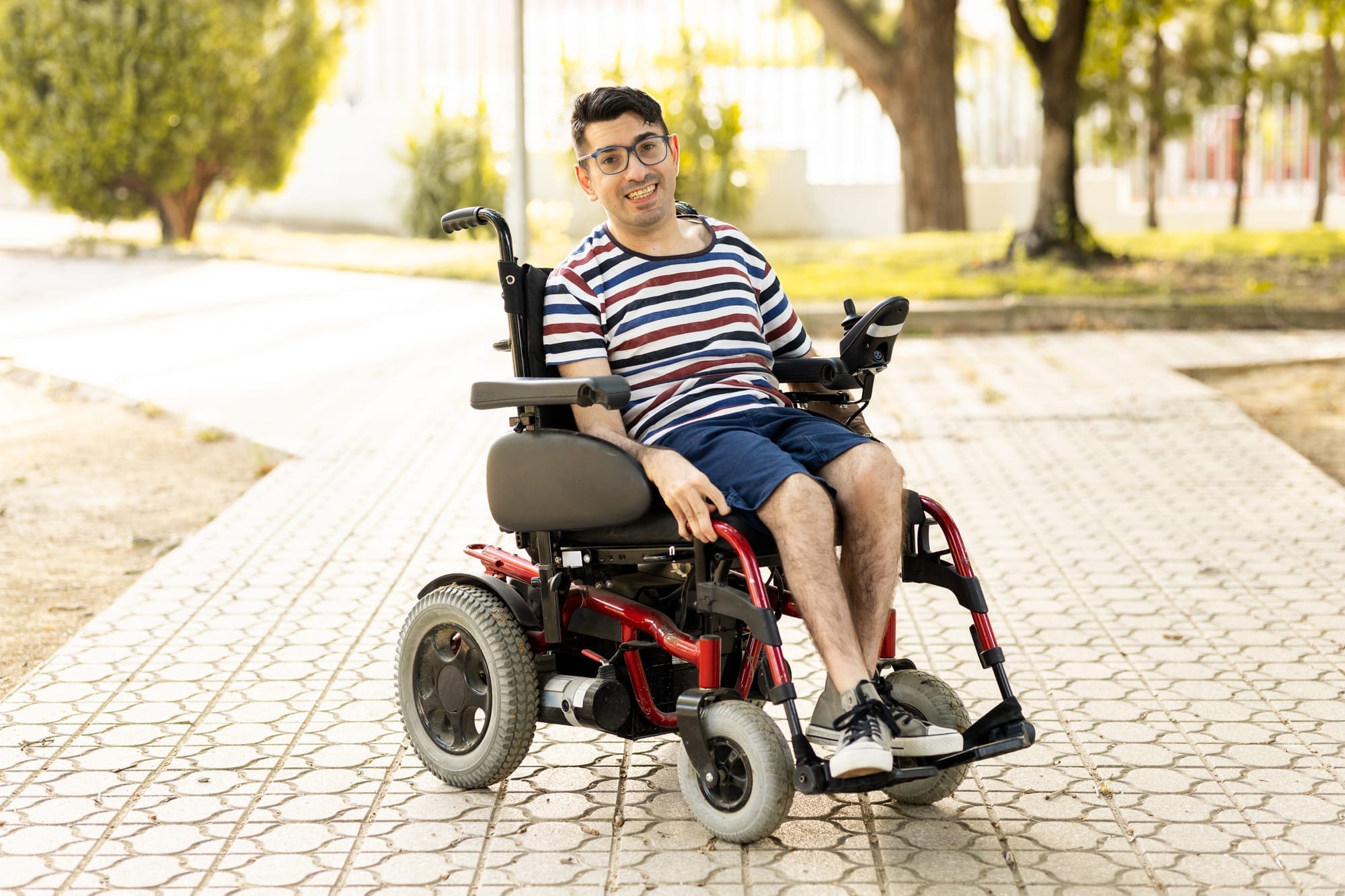
Electric Wheelchairs for Arthritis and Joint Pain
Many people transitioning from manual wheelchairs first explore power-assist solutions because they still want the familiar feel of a manual frame but need additional propulsion support to reduce wrist, shoulder, and elbow stress. This transition is explained in detail in Choosing a Power Assist Wheelchair for Users Transitioning from Manual Chairs. However, for users with moderate to severe arthritis, a full electric wheelchair often provides far greater relief by eliminating repetitive pushing movements entirely. A well-designed electric wheelchair should offer smooth joystick control that requires minimal hand strength, efficient battery-driven propulsion for slopes and uneven surfaces, and cushioning that helps alleviate joint sensitivity during prolonged sitting. Users with significant shoulder or wrist pain frequently benefit from reclining or ergonomically shaped seating systems, such as those described in Reclining Electric Wheelchairs for Users Who Require Extended Seating Comfort, where pressure distribution and postural support greatly reduce inflammation caused by rigid sitting positions.
Lightweight frames also play an important role in joint-friendly mobility. Although arthritis primarily affects joints rather than the wheelchair itself, a lighter device makes transferring, transporting, and maneuvering significantly easier for both the user and caregivers. For seniors or adults living in compact homes or retirement spaces, lightweight designs such as those found in the article Foldable Power Wheelchairs for Small Car Trunks and Compact Living Spaces help ensure mobility remains manageable without requiring heavy lifting or excessive hand strength. Lightweight portable models also make it easier to visit family, attend appointments, or participate in social activities without triggering joint discomfort.
Outdoor mobility is another major concern for individuals with arthritis. Rough ground, slopes, and longer distances can overwhelm users who already struggle with joint inflammation. Wheelchairs engineered for outdoor performance offer stronger motors, traction wheels, and suspension systems that absorb vibration and reduce strain transmitted through the seat and frame. A detailed explanation of terrain-friendly designs can be found in Best Power Wheelchairs for Outdoor Terrain and Long-Distance Use, which is particularly useful for users who maintain active lifestyles or enjoy outdoor walks.
Battery performance also matters, because arthritis users frequently cannot tolerate unexpected physical exertion if a chair loses power. Chairs with strong, reliable lithium batteries ensure the user maintains consistent mobility throughout the day without manual pushing. For maintaining battery health and preventing unexpected downtime, the article Battery Care & Maintenance Tips for Electric Wheelchairs offers helpful guidance, especially for long-term reliability.
Lastly, travelers with arthritis often require mobility solutions that minimize lifting, folding, or awkward movements. Lightweight travel models are especially beneficial and are fully explained in Best Lightweight Foldable Electric Wheelchairs for Seniors Who Travel Frequently and How to Choose an Airline-Approved Electric Wheelchair for International Flights, making these resources valuable for users who frequently move between home, transportation, and public spaces.
Choosing the right electric wheelchair for arthritis ultimately comes down to minimizing physical strain, maximizing seating comfort, and ensuring smooth, low-effort control. Whether selecting a reclining model, a lightweight foldable chair, a travel-friendly design, or an outdoor-capable option, the goal is always the same—reducing pain, improving mobility, and empowering users to move more freely throughout their day.