
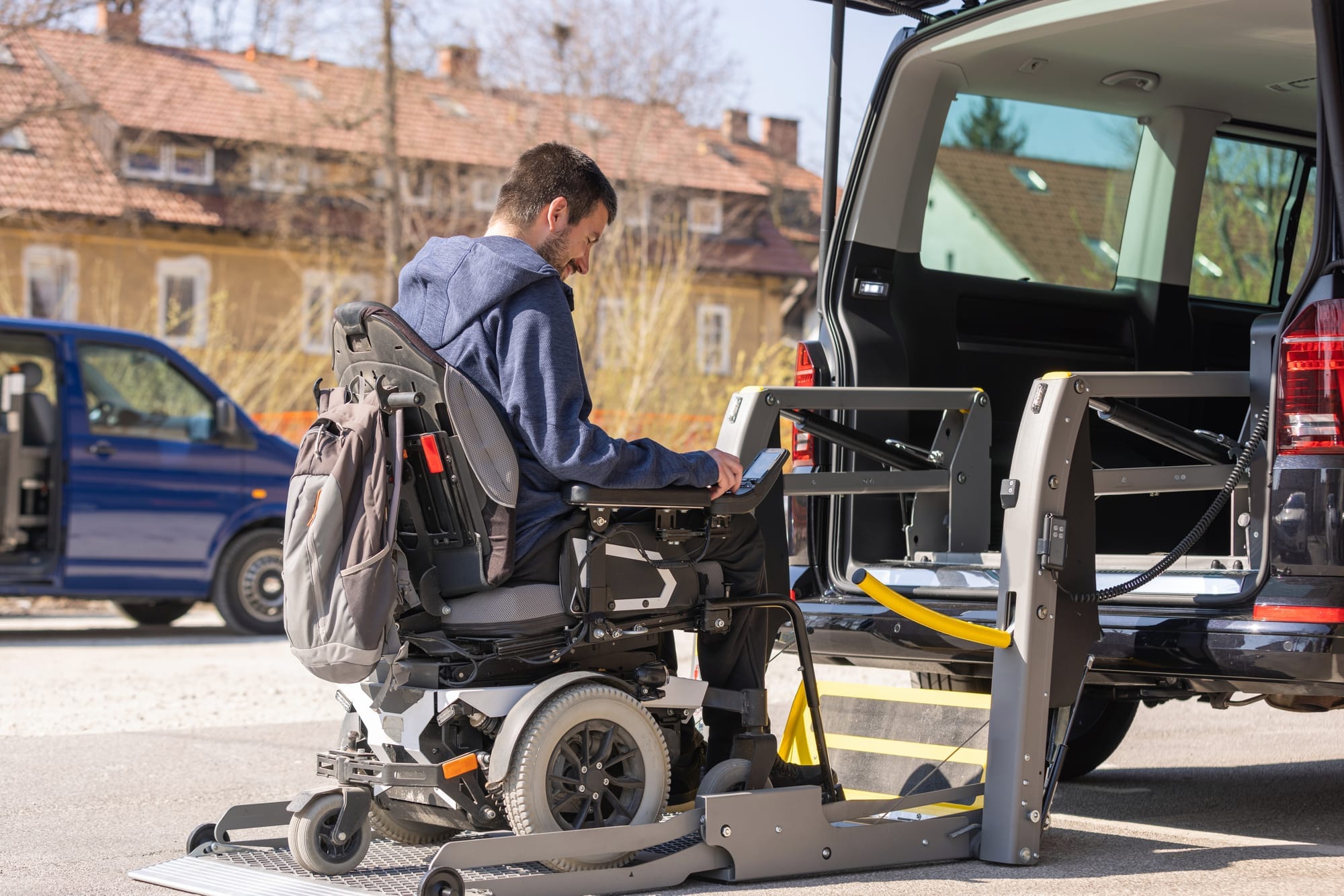
How can I transport an electric wheelchair?
Transporting an electric wheelchair is one of the most significant concerns for users and caregivers. Whether you are navigating local commutes in a car or planning an international flight, the method of transport depends heavily on the weight and folding mechanism of your device.
In this guide, we break down the logistics of transporting your mobility aid, addressing the most common technical and safety questions.
1. Transporting by Car: Methods and Equipment
When moving a power chair by vehicle, your primary focus is on weight and stowage. There are three main ways to handle car transport:
A. Internal Stowage (Folding Models)
The most efficient method is using a folding model that fits directly into the trunk (boot). For instance, the UltimatePointCare Foldable Electric Wheelchair is designed with a “quick-fold” mechanism, allowing it to collapse into a compact unit that fits in most standard sedans.
- Key Consideration: The “lift weight” is crucial. If you are traveling solo, the 13KG Ultralight Carbon Fiber Wheelchair is highly recommended because its 13kg (approx. 28 lbs) frame is light enough for most adults to lift without straining.
B. Using External Ramps or Lifts
For heavier models like a 300 lb power wheelchair, manual lifting is not feasible.
- Hitch-Mounted Carriers: These are platforms attached to the back of your car.
- Internal Hoists: A motorized crane installed in your SUV or van can lift the chair for you.
2. Transporting by Air: Regulations and Safety
Air travel requires compliance with the Federal Aviation Administration (FAA) and IATA regulations. According to Wikipedia and aviation safety standards, the primary concern is the battery type.
- Lithium-Ion Batteries: Most travel chairs, like the U245Max Folding Power Wheelchair, use Lithium-ion batteries. For air travel, the battery must typically not exceed 300Wh.
- Battery Handling: You must often remove the battery and carry it into the cabin, while the chair frame is stowed in the cargo hold.
For a deeper dive into these regulations, refer to our detailed guide on Air Travel with a Power Wheelchair.
3. Key Logistics Checklist (Data-Driven)
Before you transport your chair, consult this technical checklist to ensure a safe journey:
| Feature | Travel Requirement | Recommended Solution |
| Max Weight for Lifting | < 15 kg (33 lbs) | 13KG Ultralight Carbon Fiber Wheelchair |
| Storage Height | Electric wheelchairs for caregivers | U245Max Folding Power Wheelchair |
| Battery Compliance | FAA Approved (< 300Wh) | UltimatePointCare Foldable Electric Wheelchair |
| Long-Distance Comfort | Reclining backrest | Reclining Electric Wheelchair |
4. Expert Tips for Damage Prevention
- Disconnect the Controller: The joystick is the most fragile part of the chair. Always disconnect or protect the controller with a hard shell before stowing it in a car or plane.
- Freewheel Mode: Ensure the chair is in “manual” or “freewheel” mode if ground crews need to push it.
- Securement: If transporting in a van, use a 4-point tie-down system to ensure the chair does not shift during sudden stops.
If you are still deciding which model fits your transport needs, read our expert analysis on How to Choose the Perfect Lightweight Power Wheelchair for Your Lifestyle.
Transporting an electric wheelchair is a manageable task when you have the right equipment. From the 300 lb power wheelchair built for heavy-duty support to the ultra-portable carbon fiber models, Ultimate Point Care provides the technology to keep you moving safely.