
What is the easiest motorized wheelchair to use?
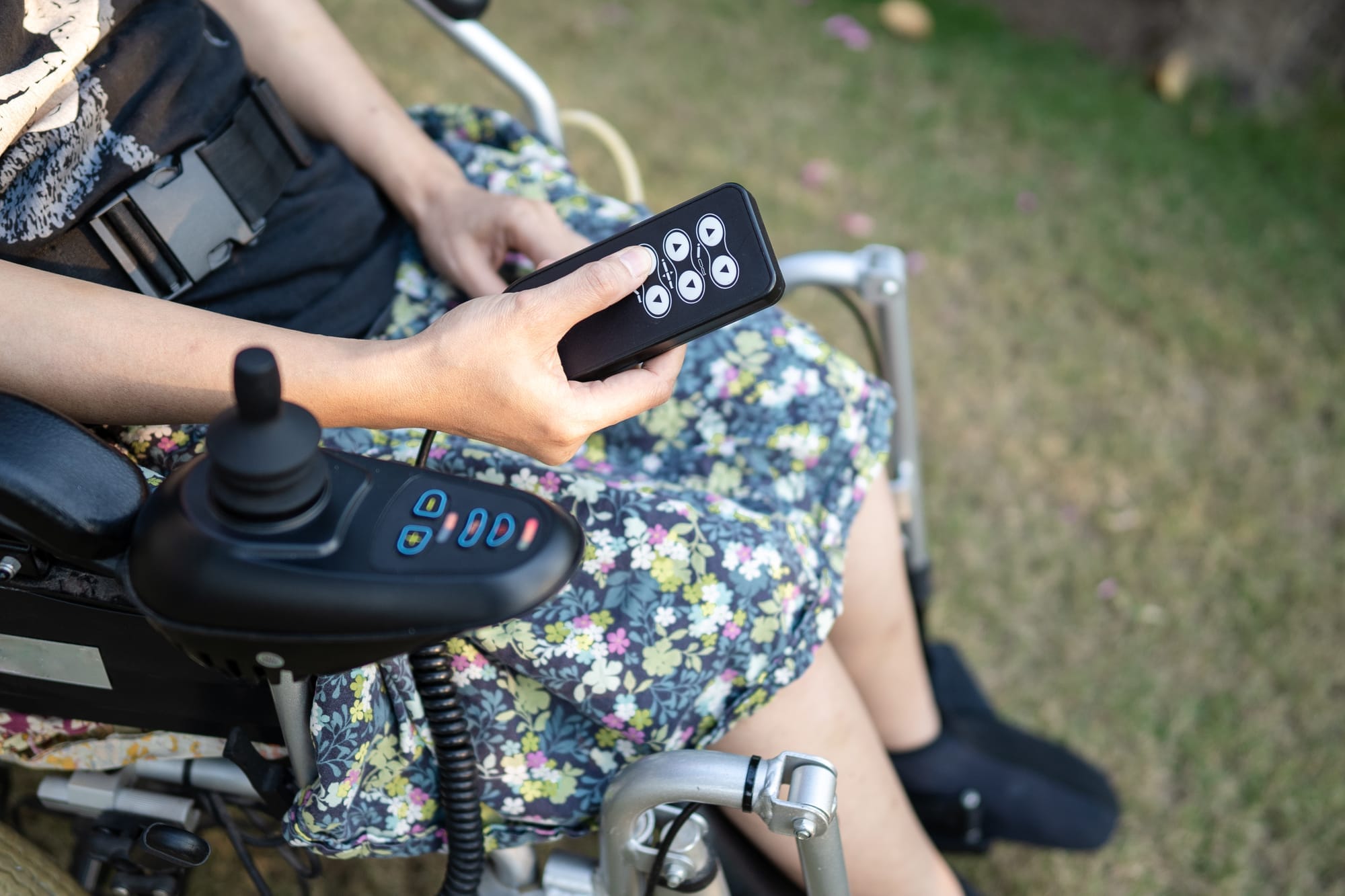
Choosing the easiest motorized wheelchair to use starts with real-life tasks: getting through doorways without hesitation, turning smoothly in kitchens and bathrooms, folding quickly for a car trunk, clearing curb cuts without jolts, and passing airline checks with clearly labeled, removable batteries. The model that consistently simplifies each step is a lightweight motorized wheelchair with intuitive joystick response, stable low-speed control, and a compact fold that locks securely so one person can lift or roll it like luggage. A chair that blends rigid frame stability with shock absorption, puncture-resistant tires, and breathable cushions further reduces daily strain while preserving comfort on longer outings. When ease of use is the target, pay close attention to verified carry weight after removing the battery, folded dimensions that really fit your closet or trunk opening, and the consistency of start/stop behavior on ramps and tight turns.
For buyers comparing portability first, an electric lightweight motorized wheelchair offers the best baseline because the frame, battery, and controller are designed to minimize weight while maintaining rigidity. If you expect frequent loading into ride-shares or compact hatchbacks, an ultra lightweight motorized wheelchair can be decisive, but it should still feel planted when crossing thresholds and textured sidewalks. Apartment and office users often prioritize a lightweight motorized wheelchair portable layout that rolls easily when folded, and a lightweight motorized wheelchair foldable mechanism that locks positively so the chair doesn’t open mid-lift. These practical traits—true low mass, compact geometry, and predictable handling—are the biggest contributors to a wheelchair that is effortless from day one.
Travel readiness is another key part of “easy.” If airports and trains are in your routine, choose a model marketed as lightweight electric wheelchair airline approved, which in practice means the battery is clearly labeled with watt-hours, detaches tool-free for inspection, and meets carrier documentation standards. Consistent charging performance and a reliable state-of-charge display prevent range anxiety between gates and transfers. Many shoppers start by asking what is the lightest wheelchair and what is the lightest weight electric wheelchair; those are sensible questions as long as you also confirm ramp behavior, braking smoothness, and turning precision at very low speeds—because the easiest chair isn’t just the lightest on paper, it’s the one that feels composed in crowded terminals and narrow jet bridges.
If you are stepping up from a manual model, it helps to compare against a lightweight power assist wheelchair to decide whether full power is the right leap. Full power adds hill-start control, steady descents, and tighter joystick modulation in confined spaces, which together reduce the learning curve for new users and caregivers. Shoppers researching what are the best lightweight wheelchairs and what is a lightweight wheelchair are aiming for the same outcome: a compact footprint, supportive seat geometry, adjustable armrests for safer transfers, and a frame that resists flex so tracking stays straight. These characteristics translate directly into confidence when navigating tiled floors, carpet transitions, and outdoor pavers.
Materials and engineering separate a good portable chair from one that is truly effortless to own. A well-designed aluminum or composite chassis balances weight and durability, keeping the ride quiet and the handling predictable. Cable routing that avoids snag points, sealed bearings that shrug off dust and moisture, and electronics protected from splashes cut down on maintenance. This is why many buyers refine their search to lightweight electric wheelchair best—not just “lightweight,” but lightweight with dependable components and after-sales support. When you review potential suppliers, take a moment to learn about manufacturing standards, quality control, and service policies across reputable power wheelchair brands so parts and warranty help are available well beyond the first year.
Budget matters, but ease of use over time is where value shows. A slightly higher-spec model that folds faster, charges reliably, and steers more precisely can save minutes every day and reduce caregiver effort on every transfer. For city living with elevators and compact hallways, a tight turning radius and soft-start programming reduce bumping into corners; for suburban errands, look for tread that grips wet ramps and thresholds without slipping. Whether your top query is electric lightweight motorized wheelchair for commuting or ultra lightweight motorized wheelchair for frequent lifting, the easiest model is the one that preserves energy and time every single day.
What is the best light weight electric wheelchair? the easiest motorized wheelchair to use is compact, truly light after battery removal, folds and locks in seconds, tracks straight at walking speed, and carries airline-ready documentation for hassle-free trips. If your shortlist checks those boxes—portability, precise control, comfortable seating, dependable charging, and credible support—you will feel the difference in the first week of ownership and for years to come.